
Renter Tips | The Benefits of Renting a House for Rent By Owner
Renting a home or apartment is a decision that millions of people make each year. When it comes to renting, you typically have two options: renting from a property management company or renting from a private landlord. In recent years, the popularity of renting from a private landlord, or For Rent By Owner (FRBO), has grown significantly. However, if it’s something you’re considering, it’s essential to weigh the advantages and disadvantages of it, so you can make an informed decision.
Advantages of Renting A House For Rent By Owner
Lower Rent Prices
Private landlords often don’t have the same overhead costs as property management companies, such as office space, salaries, and marketing expenses, so they can afford to charge lower rent prices. In a managed building, rent usually includes fees for amenities, such as landscaping, maintenance, and property management services. With houses for rent by owner, however, it may be easier to negotiate on the rent fee, especially if the landlord owns multiple properties and is looking to fill vacancies quickly.
More Housing Options
By refining your search and looking for houses for rent by owner, you can expand your pool of options. Townhomes, single-family homes, condos, garage apartments, and even tiny homes could also be available. These alternatives sometimes offer additional space and even a private garage or backyard.
Easier Qualification Process
To qualify for a managed rental, potential renters often have to meet strict requirements, including minimum credit scores and income verification. Private landlords may also consider these factors but may be more flexible, especially for tenants with less-than-stellar credit.
Flexible Lease Terms And Fewer Restrictions
When working with a property management company, lease terms require a time commitment. Usually, you have to choose between signing a lease for 12 months or 24 months. The beauty of signing a lease with a landlord who’s advertising a house for rent by owner though, is that they may be willing to offer shorter lease terms, allow for month-to-month leasing options, early termination without penalty, and even pets. For tenants who don’t know how long they need to rent a property for, this can be a major advantage.
Personal Attention
Private landlords are often more invested in their properties and tenants, making them more responsive to tenant needs and concerns. Unlike management companies, your landlord might be more willing to make repairs or upgrades to the property as needed.
Better Communication With Your Landlord
Renters can directly contact their landlord to report maintenance issues or discuss rent payment solutions, eliminating the need to go through a property manager. For some tenants, a one-on-one relationship is important because it leaves room for more open communication.
More Privacy
Living in a house for rent by owner may provide more privacy than an apartment building. With more distance from neighbors and no upstairs neighbors making noise, tenants may enjoy a quieter living space.
No Responsibility For Maintenance Issues
Although you may be accountable for keeping your rental in good condition, you won’t be expected to handle significant repairs, such as fixing a broken appliance or resolving a plumbing problem. However, you may be able to make small maintenance repairs or home improvements when cleared with the landlord in exchange for rent deductions.
Disadvantages of Renting from a Private Landlord
While renting a house for rent by owner can seem like an appealing housing option, it does have its drawbacks.

Harder to Find
Private rentals are typically not advertised as prolifically as managed rentals, making it more challenging to find them. You may need to expand your search and ask friends, family, and coworkers if they know anyone renting a house for rent by owner.
More Susceptible to Rental Scams
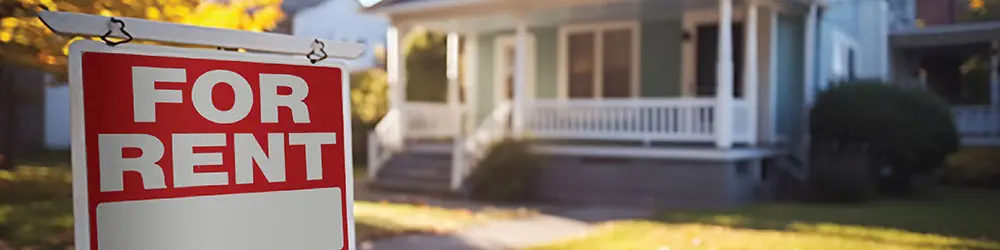
Scouting out "For Rent by Owner" signs and vetting online rental listings is essential to avoid rental scams. Here are some tips to ensure the rent-by-owner home is legitimate:
- Insist on meeting the landlord or property management company in person.
- Don't give into pressure. Only sign a lease when you're ready.
- Trust your instincts, and if something seems suspicious, walk away. There will be other rental options that become available.
- Be prepared to meet standard requirements such as a background check, credit check, and interview. Even though they may be more flexible, a good landlord will still want to know who’ll be occupying the property.
- Last but not least, make sure you have a lease that is crystal clear to protect both you and the landlord. This ensures that all expectations for the lease term are outlined in writing, which serves to keep you and the landlord legally accountable and protected.
Limited Resources And Amenities
Private landlords may not have access to the same resources as property management companies, such as maintenance staff. And sometimes, it can lead to delays in repairs and maintenance requests. A house for rent by owner may also lack amenities such as fitness centers, clubhouses, swimming pools, and tennis courts.
Lack of Professionalism
Issues with lease agreements or property maintenance are not uncommon when you’re renting. While property management companies have training and experience in those areas, a private landlord may not, and as a result may not exercise the same level as professionalism.
Less Streamlined
Property management companies usually have streamlined processes in place for various tenant needs like paying rent, requesting maintenance, or filing complaints. If you’re someone who appreciates automation and convenience, renting a house for rent by owner may not be the more favorable choice. However, you can always check with the landlord and recommend that they offer a Tenant Portal or oline payment options.
Unclear Policies
While management companies typically have policies that are very clear-cut, private landlords may not. When it comes to rent payments, maintenance requests, and other issues, confusion and misunderstandings between tenants and landlords can pop up more frequently.
Limited Legal Protections
Compared to renting from a property management company, renting a house for rent by owner may have limited legal protections. Unlike private landlords, property management companies are often well-versed in landlord-tenant laws and regulations, which can help protect tenants in the event of a dispute. While you will still have the same rights, you may need to consult a lawyer or your local housing authority if you end up having issues with a private landlord.
Landlord Proximity
Renting a house for rent by owner could mean that the landlord lives nearby or too close for comfort. While this can be helpful for emergency repairs, it may also feel uncomfortable if you would like additional privacy.
Security Deposits
Private landlords may not always handle security deposits appropriately, which can lead to disputes when a tenant moves out. When renting from a property management company, however, you’ll be able to avoid misunderstandings or disputes because of clearly defined terms in your lease.
More Expensive
Renting from a private landlord may come with higher overall rent and additional monthly fees. For example, if the
house is an older home with outdated HVAC systems, you may be asked to chip in when it’s time for a new one. Before
signing a lease, make sure to ask as many questions as you can to avoid any unpleasant surprises.
To avoid financial strain, it's important to determine how much rent you can afford before signing the lease. You
can use a rent calculator to help you figure out what you can afford based on your take-home pay. As a general rule,
experts recommend not spending more than 30 percent of your gross income on rent.
You’re At The Mercy Of Your Landlord
While renting from a private landlord may seem more flexible than renting from a property management company, there is a higher chance that you may need to move down the road during a month-to-month lease. While state laws generally require notice, your landlord may wish to raise the rent or just want to stop renting out their house, meaning you may be forced to move out sooner than you expected.
Tips for Renting from a Private Landlord
Ask for References
Don’t be afraid to ask for references from previous tenants. Doing so can help you get an idea of the landlord's communication style, level of professionalism, and how they handle maintenance requests and other concerns.
Read the Lease Agreement Carefully
Make sure you understand the terms of the lease, including rent payment due dates, late fees, and maintenance responsibilities. If something is unclear, suggest how it can be changed.
Request a Walkthrough
A walkthrough is a valuable step in the rental process that can save you time, money, and potential headaches in the future. Request a walkthrough of the property with the landlord so you can inspect the property and identify any potential maintenance issues, safety concerns or damages before you move in. This way, you can both document anything that comes up, and have written proof of the property’s condition.
Clarify Maintenance Responsibilities
Make sure you understand the landlord's maintenance responsibilities, as well as your own. Clarify who is responsible for making repairs and paying for maintenance costs. Knowing who is responsible for what can also help you avoid unnecessary expenses and stress, as you can be confident that the necessary repairs and upkeep will be taken care of in a timely manner.
Keep Records
Keeping a paper trail of your communications with your landlord can serve as evidence in case of any disputes or misunderstandings that may arise. By having a record of your conversations and agreements, you can easily refer back to them and avoid any potential confusion or misinterpretation. Having records can also help you stay organized and on top of important deadlines or tasks. For example, if your landlord agrees to make a repair, having documentation of that agreement can help you follow up and ensure that the repair is completed in a timely manner.
Check for Proper Licensing
Landlord licensing requirements can vary depending on the state or city, but generally, a license is
required to ensure that the landlord meets certain criteria, such as having a safe and habitable property,
complying with building and zoning codes, and maintaining appropriate insurance coverage.
When renting a house for rent by owner, it’s critical to ensure that the landlord is properly licensed
to rent out the property. Not only can it help protect you in the event of any legal issues, but it can
prevent frauds and scams. In addition, unlicensed landlords may not be held to the same standards and
may not have the same level of accountability, which can put you at risk of losing your deposit or being
subjected to unsafe living conditions.
Taking The Leap
Before signing on the dotted line of any rental agreement, it’s important to learn all the specifics regarding the property. While your personal preferences weigh heavily on your decision, it’s best to consider the pros and cons of renting a house for rent by owner before you make the big move. But, by following the tips outlined above and doing your research, you can set yourself up for a positive rental experience.